Author: smac

  • Tarragon

    Tarragon

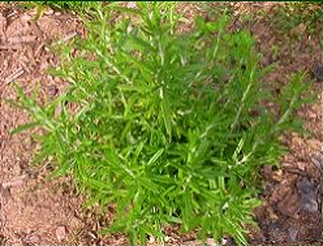
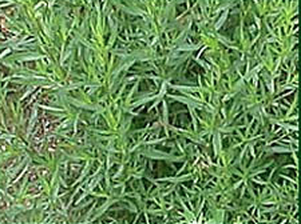
    French Tarragon (Artemisia dracunculus var. sativa) – French Tarragon does not seem to be as well known in New Brunswick as it is in other parts of Canada. It is one that you should definitely get to know if you haven’t already done so. Its slight anise flavour is wonderful and it only takes a little to change a dish from ordinary to elegant. We are always cautioned not to buy Russian Tarragon as it is tasteless but we don’t need to worry as it is usually not sold locally. Tarragon is a herb that cannot be grown from seed. Purchase several plants from a nursery in the spring and set out in the garden or in pots around the date of the last spring frost. It likes full sun and well drained soil. These are the requirements for most herbs but tarragon demands these conditions for full, lush growth.

    When hearing of an abundant tarragon crop I now inquire as to whether the grower lives in the Shediac area. where the soil is sandier than our heavy clay soil in Albert County. The leaves can be harvested from early spring to fall ; harvesting only as much as you can use immediately. It tends to die back or get woody in the center so should be divided every three to four years. In our area it is best to mulch the plants in the winter.

    There is not much taste to dried tarragon. Use it fresh or freeze for winter use.
  • Sage

    Sage

    Sage has been praised throughout history and on many continents for its powers of longevity. The name salvia, from the Latin salve, means to be in good health, to cure or to save. To the Romans it was a sacred herb gathered with ceremony.

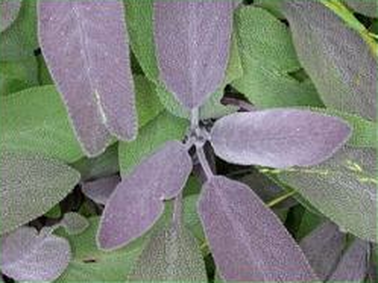
    Sage can be used in a number of ways : culinary, medicinal, garden design and dried arrangements. It can be grown from seed or purchased plants. Whichever you do, consider the intended use to help decide quantity. Two plants of garden sage will probably supply all of your culinary needs but you may want larger quantities of purple and/or tri-color sage to use in borders. Use new seed each year as sage quickly loses its viability. Sow seeds directly in the ground or start 6-8 weeks before the last frost. Pressed seeds in moist soil will germinate in 4-12 days at 70-85 degrees. Plant seedlings outdoors after the last frost in well drained, rich soil in full sun. Space seedlings 18-24 inches apart. Cut back mature plants to growing points to encourage fresh growth. It is a short -lived perennial. Harvest leaves before the flowers open. The sage leaves dry very well by hanging in small bunches. Once dry, store away from light.

    Culinary uses:

    In many parts of Canada sage replaces our traditional uses of summer savory in New Brunswick. It is mixed with onion for poultry stuffing as well as with rich fatty foods like pork, duck and sausage. It is valuable as an aid to digesting these fat foods which may be one of its major health benefits. We use whole dried or fresh leaves on a roast pork as well as in a dried end of the season herb mix on any kind of roast. The blossoms are an attractive addition to salads so you may want to let one of your plants go to bloom

    Dried Arrangements:

    Dried leaves retain their shape very well and small bunches are great in herbal wreaths and swags. The purple sage has a deep color that mixes well with many others, providing a background richness to any wreath.

    Garden Design:

    Sage is design plant whose virtues are often overlooked. The purple sage, in particular, has large leaves that fill in a border for the whole growing season. Its color is magnificent !! Variations in effect can be achieved by co-coordinating groupings of purple or tri-colour sage with other herbs or flowers.

    Medicinal Uses:

    There are many ancient sayings about sage. A Latin proverb translates ” how can a man die when sage grows in his garden”? Early herbalists believed sage calmed the nerves, alleviated nervous headaches and soothed sore throats. It should be avoided by pregnant and lactating women. Sage tea is still recommended for sore throats. Cover one teaspoon dried or fresh chopped leaves with one cup of boiling water. Steep 10 minutes. Strain and sweeten with honey.

  • Salad Burnet

    Salad Burnet

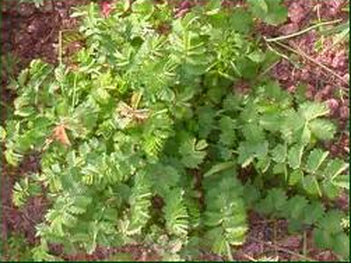
    Salad Burnet – In February many long for a toasted cucumber and tomato sandwich or sliced cucumbers with a meal. For some it is a longing they can’t give in to because cucumbers bother their digestion. Salad burnet is a little known herb whose leaves have a distinctive cucumber taste and won’t cause indigestion! If plants are brought inside in the fall we could have that great cucumber taste all winter. I have been introducing this herb in herb growing courses and everyone has been intrigued by it. A short-lived perennial to zone 4, salad burnet has had medicinal uses for 2000 years but is mainly grown for culinary purposes now.

    The plant grows to a height of one foot with deep-green serrated leaves, often with reddish stems. The flower is purplish-red in a nut-like formation and can be used the same as the leaves. Seeds can be started indoors 4-6 weeks before the last frost .

    Cover the pot with paper to keep the darkness. Sow thickly to have a good clump to transplant outside after the frost deadline. Mature plants have a long taproot and resent transplanting so move plants while they are small. They self-seed readily. Watch for little clusters of bright green leaves close to the mature plants in the early spring and transplant them when they are a few inches high. Set plants 12-18 inches apart.

    Like most herbs, salad burnet likes the sun and well drained soil. Pick the young leaves before the flowers open to snip into a salad for a nutty cucumber flavour. Lay a few leaves on tomatoes in a sandwich. Salad burnet leaves will flavour cream cheese, soup, sour cream dips, vinegars – anywhere you want a cucumber flavour. Let some plants go to flower and use in the same way. The blooming plants also make a nice display in the herb garden. The leaves of salad burnet lose some flavour when dried so enjoy them while they are fresh.

  • Rosemary

    Rosemary

    Rosemary (Perennial) – Many people list Rosemary as one of the favorite herbs. This is probably because of its clean fresh scent -just brushing past a rosemary plant can be invigorating. In our area rosemary can be grown in the garden in the summer and brought into the house in the fall. Richters’ catalog list 15 cultivars. It is interesting to try growing a variety of cultivars as they vary in shades of green to grey with pink or blue flowers. There are also trailing ones.

    In the garden, plant in well drained soil in full sun. It needs little care in our gardens and grows well. After harvesting in the fall, pot the plant and bring indoors. I’ve been very surprised at how much cold they will take (even snow!) before I rescue them. Inside they do well in a cool light room watered from the bottom and misted regularly. Do not let them dry out completely or over-water. My plants are blooming a beautiful lavender blue in a very cold sunroom. They are harvested regularly for the CRANBERRY ROSEMARY VINEGAR and ORANGE ROSEMARY JELLY. The vinegar is popular in salad dressings and the jelly makes a nice glaze or condiment for chicken.

  • Plantain

    Plantain

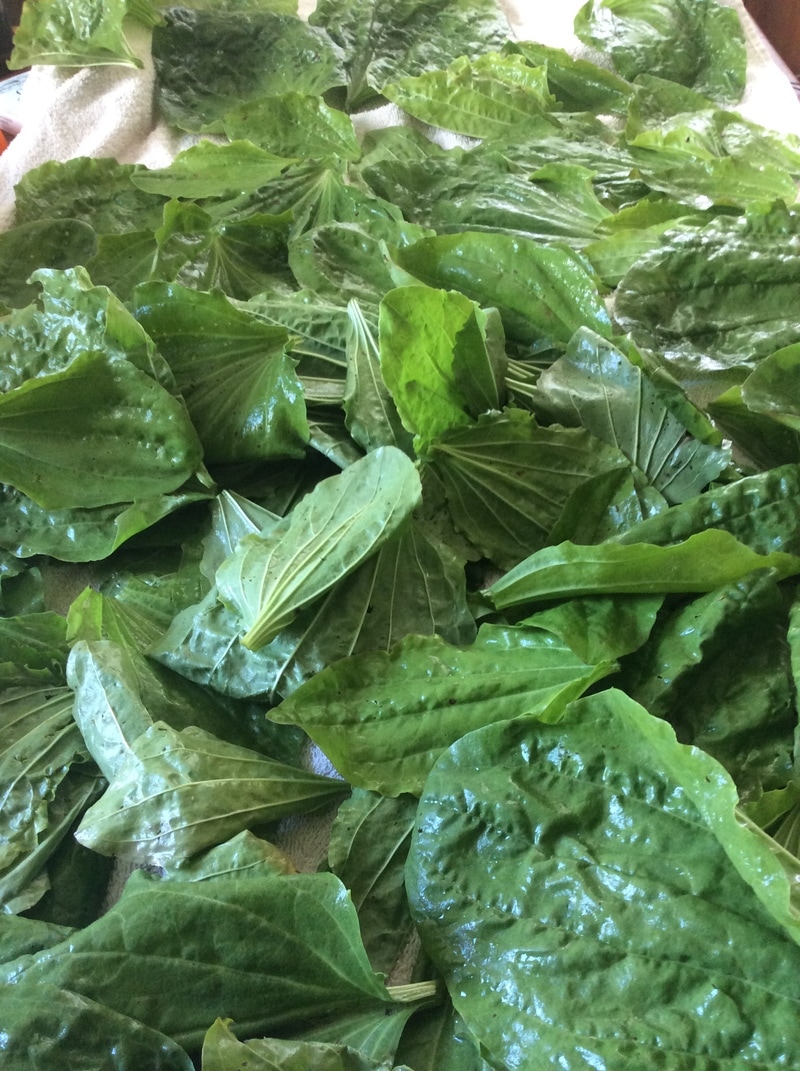
    Common name: Common Plantain
    Other Common Names: Geater or common plantain, broadleaf plantain, rippleseed plantain, wagbread, white man’s foot
    Latin name: Plantago Major
    Native to: Pacific and Eastern coastlines of the United States, Canada, and Europe. Grown practically all over the United States.
    Perennial
    Wildcraft
    Medicinal Parts: Leaves
    When to Harvest: Leaves can be collected at any time by either snip or by hand.

  • Lovage

    Lovage

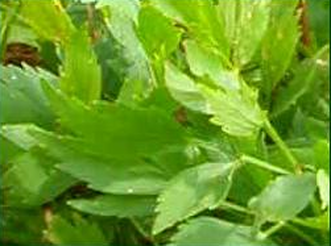
    Lovage Levisticum officinale Apiaceae (celery family )We usually say that herbs like a fairly dry soil. For those who are looking for a herb that will like the wet ground we have now, we have the answer. Lovage is not a well- known herb but is one well worth getting acquainted with.

    It is a tall striking plant growing from a long, thick taproot that sends out hollow central stalks with many branches. The leaves are dark green, shiny and deeply divided resembling overgrown celery. When dried, the leaves look and smell like celery. Many people would be surprised to find that the taste of the European flavour, Maggi, comes from the lovage plant.

    Another surprise comes in watching this plant grow. The first year I grew this plant it was like being in a Jack in the Beanstalk movie as it got higher each day. I had no idea how high it would grow so did not harvest it until it reached its full six feet. The seed heads that developed reminded me of giant dill seed heads.

    You may want to buy several plants as it is one of the few herbs that can be used in so many ways. The tender new leaves and stalks can be added to spring salads. The leaves with their celery taste can be added any time you don’t have celery in the fridge. Lovage rates with celery in the amount of sodium it contains (2.3%) so can satisfy the desire for saltiness without added salt.

    Harvest the leaves while they are still dark green and lush and before they flower. Dry flat on screens in a cool room until crisp then store in a jar for winter use in soups and stews. If you let some of the stalks go to seed you will have large umbrels with brown seeds. These seeds can be added to breads and biscuits or the umbrels can be hung upside down for spectacular dried arrangements. These tall ornamental plants add height and interest in a herb or mixed border bed . They self- seed proving sufficient plants for future use or to share with friends.

  • Lemon Balm

    Lemon Balm

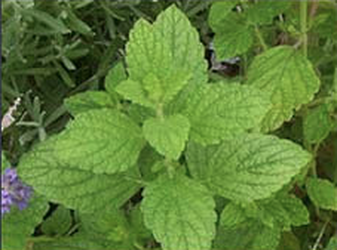
    LEMON BALM (Melissa Officinalis)(Perennial) The past several weeks visitors to our gardens have commented on the lemon balm, saying they have a lot and actually consider it a nuisance. It is one of the herbs that grows well locally so it’s very much taken for granted.

    Lemon Balm has been used for centuries in Europe for medicinal purposes. The London Dispensary in 1696 cited lemon balm: “Balm given every morning, will renew youth, strengthen the brain and relieve languishing nature”. Its virtue of dispelling melancholy has been praised by herbal writers for centuries. This definitely sounds like an herb we should not be taking for granted.

    Like most herbs, lemon balm will thrive in most soils with full sun. It can be started indoors from seed (stone to germinate) or by divisions from friends who should divide theirs every three or four years in the spring or fall. Space plants 30 cm apart

    Harvest small leaves to use before the plant blooms. Bunches can be hung and air-dried for use in the winter. When dry, strip leaves from stems and store in a jar away from light.

    Suggested uses for fresh lemon balm:

    • Stuff chicken with fresh leaves and clove of garlic.
    • Make lemon butter for fish dishes or on vegetables. (2 tbsp finely chopped leaves in ½ cup butter, chill or freeze in molds or make butter balls with a melon baller)
    • Add fresh sprigs to fruit salads
    • Freeze leaves in water in ice cube trays to add to summer drinks
    • Whole leaves can be tucked inside the foil pack when barbecuing fish
    • Crystallized leaves can be stored for up to a year and used for decorating cakes, cookies etc.
    • Every reference to lemon balm includes how wonderful a tea it makes.

    Fresh tea can be made from fresh lemon balm leaves by themselves or combined with mints or china tea. The English Herbalist John Gerard wrote in the 16th century that it “comforts the heart and driveth away melancholy and sadness”. So just imagine a meal like this: barbecued trout wrapped in lemon balm leaves, fresh green salad with chopped lemon balm leaves, fresh carrots with lemon butter, lemon cheesecake with chopped lemon balm leaves in it, decorated with crystallized leaves and lemon balm tea.

    At Tansy Lane Herb Farm we use lemon balm in our Kicked Back Evening Tea, Lavender Blue Balm Tea, and our Bath Teas.

    I think it’s time for a cup of tea!

  • Lavender

    Lavender

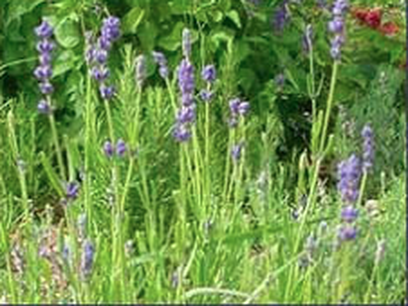
    LAVENDER (Hardy Perennial) – Everyone seems to be in love with lavender today and with good reason. Not only is its fragrance legendary but there continues to be new discoveries regarding its health benefits.

    Lavender is best purchased as plants. There are many varieties of lavender but only a few are hardy through our New Brunswick winters. The English lavenders including Hidcote, Munstead and Lady Lavender survive our winters best, especially when covered with brush.  Other varieties can be grown as annuals or in areas where a mini-climate can be created to increase the protection in winter.

    Lavender likes sun and well-drained soil.  It is very undemanding otherwise and grows well. There is a critical time for harvesting, just as the buds come to bloom. If left too long the flowers may fall off when drying. Make bundles of 10-12 stems, tie with an elastic and hang in a dark dry place. When dry use in sachets or for decoration. It will keep its scent for a long time.

    There are many ways to use the lavender you grow:

    1. Use as hedging – prune in late fall or spring
    2. Add sprigs to wreaths
    3. Make lavender jelly
    4. Put dried flowers in sachets for dresser drawers/li>
    5. Infuse as a tea to soothe headaches and calm nerves

    At Tansy Lane Herb Farm we have many products with lavender. All our products contain real lavender flowers or pure essential oil of lavender. Avoid lavender scented products as they have no health benefits.


    • Lavender sachets
    • Lavender sleep pillows
    • Lavender eye pillows
    • Lavender for cooking
    • Lavender honey
    • Lavender blueberry vinegar
    • Lavender balsamic vinegar
    • Lavender shortbread cookies
    • Lavender Blue Balm Tea
  • Lady’s Mantle

    Lady’s Mantle

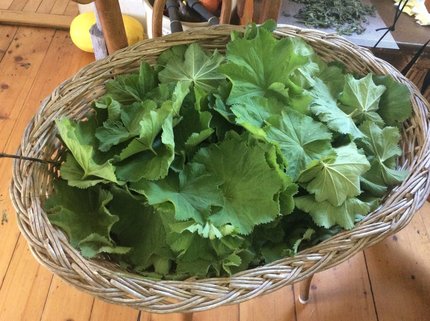
    Common Name: Lady’s Mantle
    Latin Name: Alchemilla vulgaris
    Native to: Southern Europe
    Perennial
    Buy Plant
    When to harvest: Flowering

  • Fireweed

    Fireweed

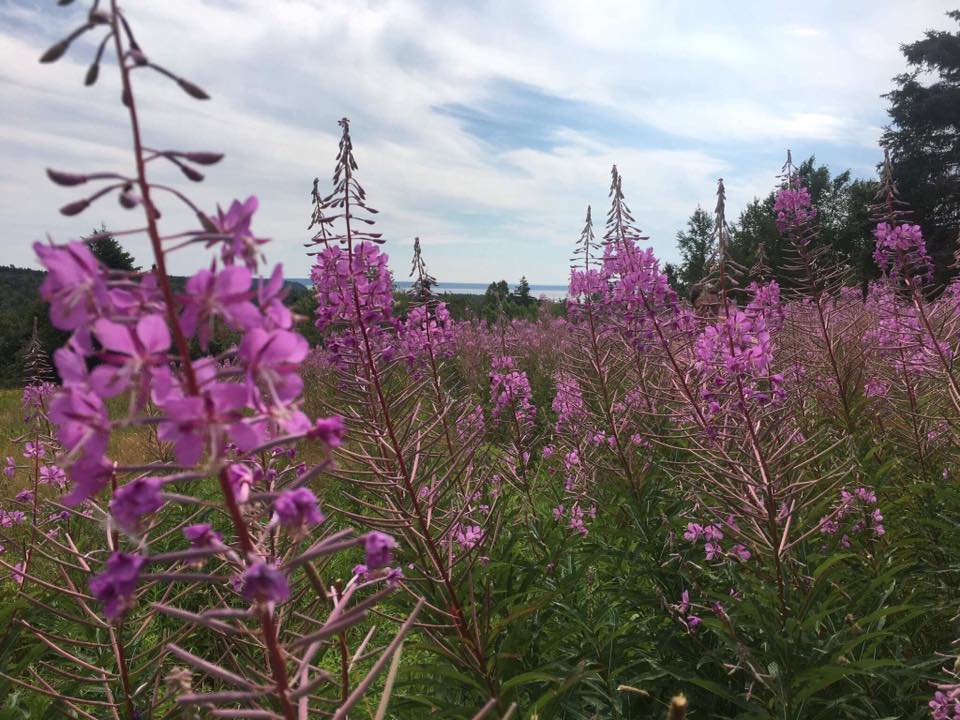
    Other Common Names: willow herb
    Latin name: Chamaenerion angustifolium​
    Native to: Pacific and Eastern coastlines of the United States, Canada, and Europe. Grown practically all over the United States.
    Perennial
    Medicinal Parts: Flowers, seeds and leaves
    When to Harvest: Leaves can be collected at any time by either snip or by hand.